Tulsipur-17, Bankatti, Dang, Nepal +977 9747386263 / 9747386262
Classes: Nursery to Class 2 (Upgrading to Class 3 for Next Session)
Academic Programs

Academic Curriculum (Nursery to Class 3)

A seamless integration of Montessori play-based methods and Nepal's National CDC Foundational Framework.

Home / Academics
Our Academic Philosophy

How Young Children Learn Best

At Jyotirgamaya School Dang, education is never forced upon children. We recognize that between ages 2 and 7, children make sense of the world through hands-on senses, repetition, joy, and storytelling.

Our curriculum fully complies with Nepal's Curriculum Development Centre (CDC) while incorporating global Montessori best practices:

English Synthetic Phonics
Devanagari / Nepali Barnamala
Concrete Math & Manipulatives
Environmental & Social Awareness
Continuous Assessment (CAS)

No Exam Fear. Only Joyful Progress.

Instead of intimidating written exams for tiny kids, our educators evaluate children through continuous observation of:

  • Classroom participation & curiosity
  • Motor coordination & handwriting readiness
  • Social interaction, sharing, and kindness
  • Phonics pronunciation & storytelling
Grade Breakdown

Classes Offered at Jyotirgamaya School

Discover the specific objectives, activities, and outcomes for each class level.
Nursery

Age 2.5 - 3.5 yrs
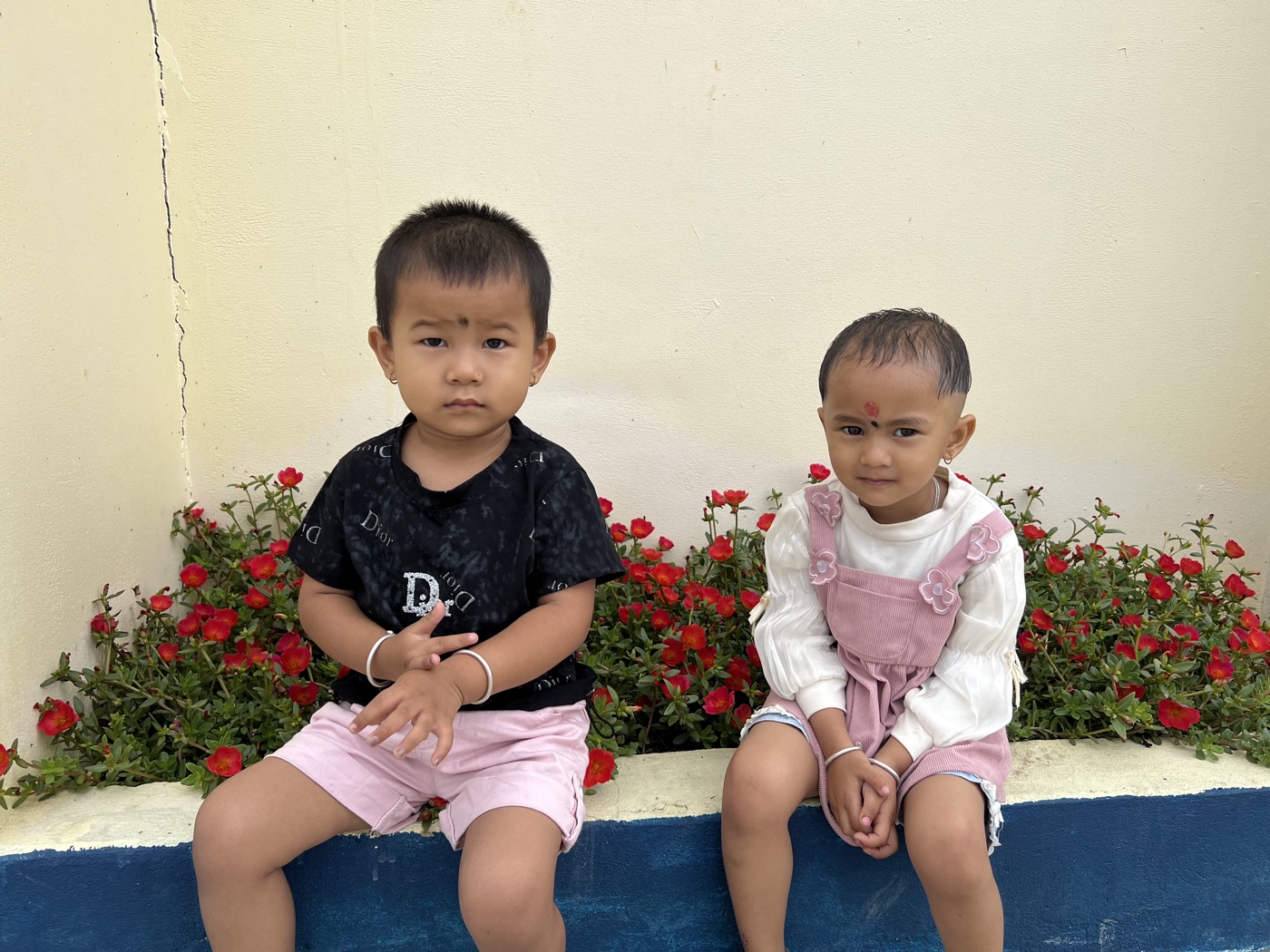
Nursery Toddlers at Jyotirgamaya School

Early Playgroup & Social Adjustment

For most children, Nursery is their very first experience away from home. Our primary goal is establishing a joyful bond of trust, removing separation anxiety, and helping little ones socialize happily with peers and teachers.
Key Focus: Color and shape recognition, nursery rhymes, sensory play with sand and clay.
Skills Built: Hand-eye coordination, speech development, holding crayons, table manners.
Activity Highlights: Story circle time, free outdoor play, song & dance routines, picture books.

L.K.G.

Age 3.5 - 4.5 yrs
LKG Classroom Learning & Play

Lower Kindergarten & Phonics Foundation

In LKG, children transition from scribbling to controlled pencil grips and purposeful tracing. Letter sounds are introduced systematically through songs and action gestures, creating rapid auditory recognition.
Key Focus: English phonics sounds (A-Z), counting numbers (1-50), introductory Nepali Ka, Kha, Ga.
Skills Built: Tracing letters, counting tangible objects, patterns, following multi-step commands.
Activity Highlights: Phonics flashcards, Montessori number rods, role play corner, obstacle games.

U.K.G.

Age 4.5 - 5.5 yrs
UKG Reading and Phonics

Upper Kindergarten & Early Literacy Mastery

UKG equips students with the readiness required for formal primary school. Children begin blending consonant-vowel-consonant (CVC) sounds into words (cat, dog, sun), reading simple sentences, and grasping addition with counters.
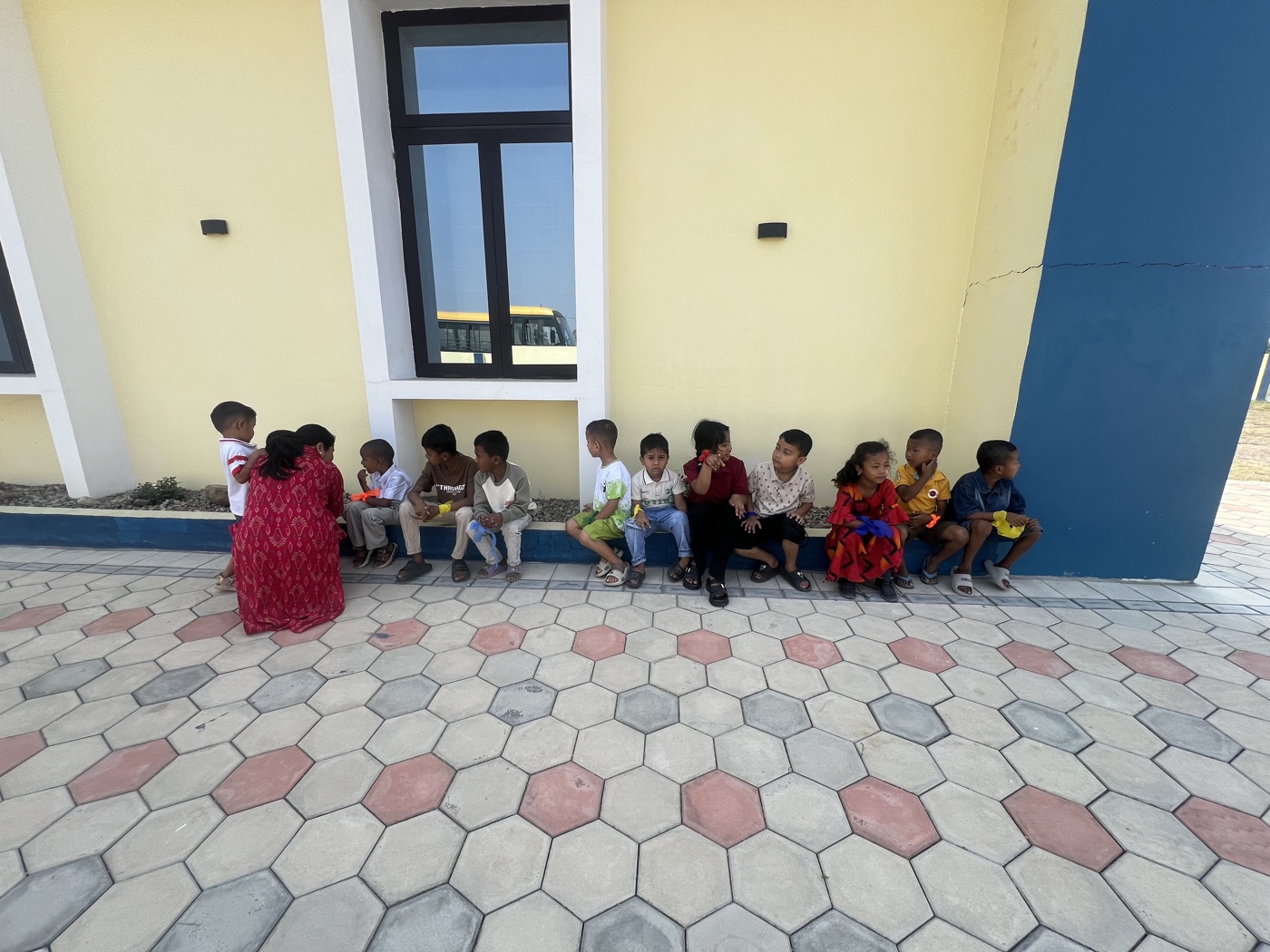
Key Focus: Word reading & writing, basic addition/subtraction, full Nepali Barnamala & matras.
Skills Built: Independent reading, sentence construction, neat handwriting, logical comparisons.
Activity Highlights: Guided reading sessions, environmental nature walks around Bankatti, science wonder shows.

Class 1

Age 5.5 - 6.5 yrs
Class 1 Classroom Activity

Primary Level 1: Foundational Literacy & Numeracy

Class 1 marks the exciting leap into formal primary schooling under Nepal's integrated curriculum. Students explore English, Nepali, Mathematics, and 'Hamro Serophero' (Our Surroundings), connecting concepts with their immediate everyday environment.
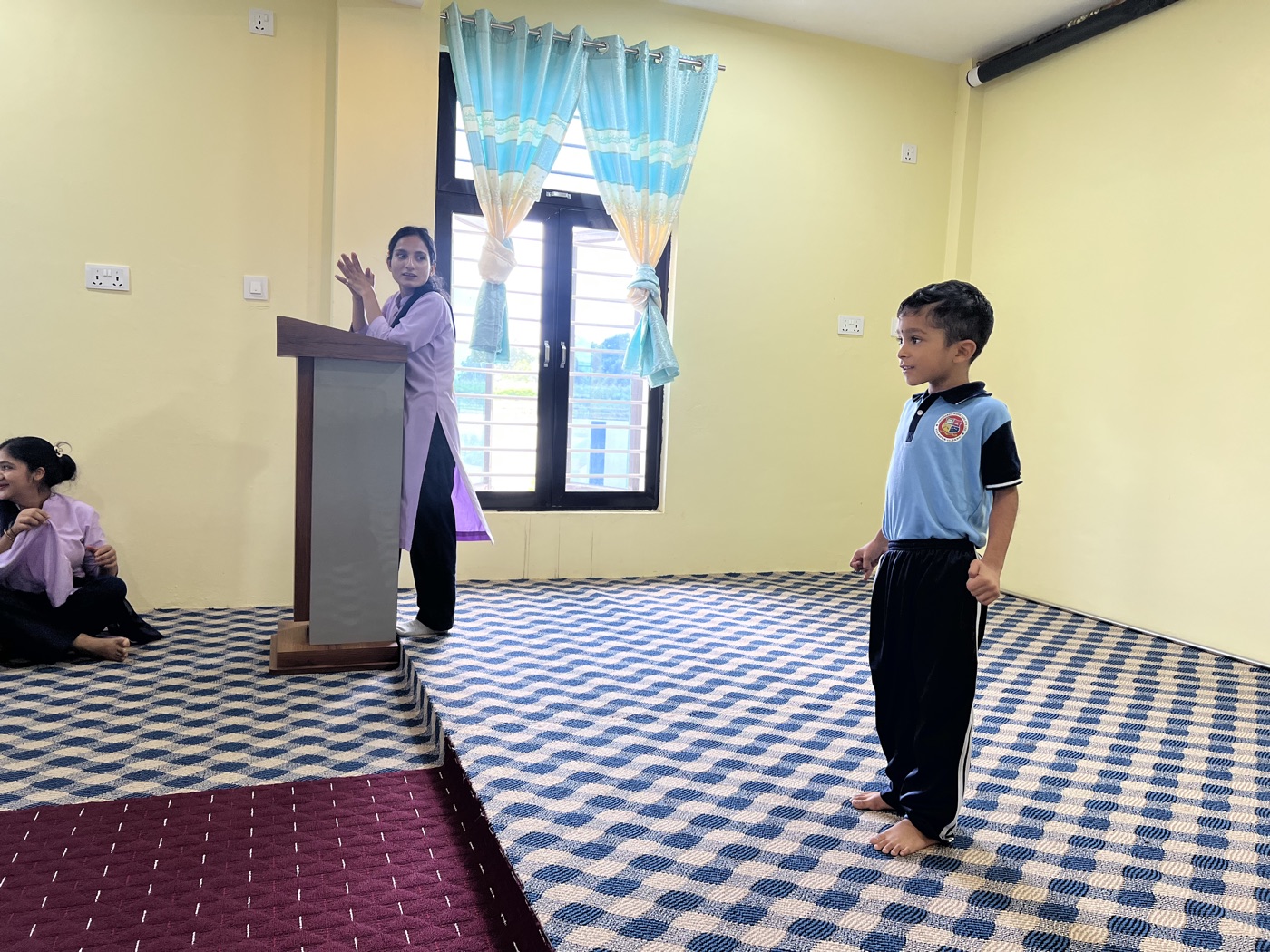
Subjects Covered: English, Nepali, Mathematics, Hamro Serophero (Science & Social), Creative Arts.
Skills Built: Paragraph reading, bilingual speaking, arithmetic operations (addition, subtraction, place value).
Activity Highlights: Spelling bees, show-and-tell presentations, hands-on math puzzles, junior sports.

Class 2

Age 6.5 - 7.5 yrs
Class 2 Stage Recitation and Confidence

Primary Level 2: Critical Thinking & Independent Learning

Building on early primary skills, Class 2 prepares students to think independently, solve real-world word problems, write small stories in English and Nepali, and practice teamwork and leadership inside and outside the classroom.
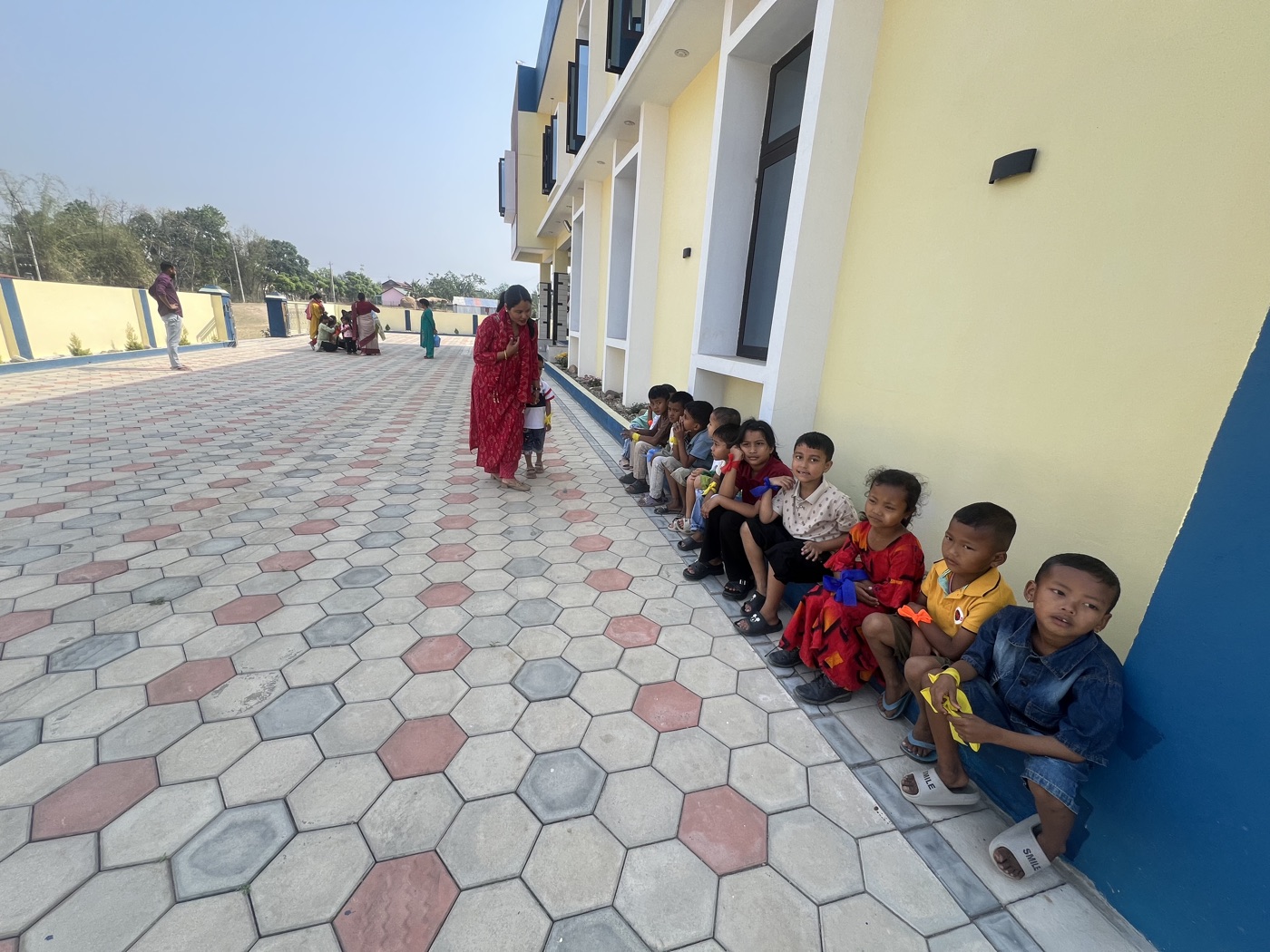
Subjects Covered: English Comprehension, Nepali Byakaran, Practical Mathematics, Science & Social, Moral Values.
Skills Built: Story composition, mental arithmetic, community awareness, digital literacy basics.
Activity Highlights: Debate/speech starters, science discovery projects, cultural performances, physical fitness drills.
Launching Next Session

Class 3

Age 7.5 - 8.5 yrs
Class 3 Smart Interactive Learning & Inquiry

Primary Level 3: Advanced Literacy, Analytical Inquiry & Problem Solving

New Session Admissions Open

Introducing for the upcoming academic session, Class 3 represents the next step in our progressive upward expansion. Students transition into deeper inquiry-based learning—mastering paragraph writing, multi-digit arithmetic, fractions, Nepali grammar & literature, hands-on science experiments, and introductory ICT/computer literacy under our strict 12:1 student-to-teacher ratio.

Subjects Covered: English Literature & Essay, Nepali Byakaran & Rachana, Advanced Math & Geometry, Hamro Serophero, ICT Basics.
Skills Built: Analytical reasoning, independent library research, creative writing, public presentations & collaboration.
Activity Highlights: Science discovery lab modules, smart board interactive learning, reading circle reviews, and quiz competitions.

A Typical Day at Jyotirgamaya School

Designed with a healthy balance of learning, play, nutrition, and rest.

9:30 AM - 10:00 AM

Arrival & Circle Time

Van arrival, morning assembly with national anthem, prayer & gentle warm-up.

10:00 AM - 12:30 PM

Core Learning Sessions

Phonics, language games, numbers, smart AV classroom story modules.

12:30 PM - 1:15 PM

Lunch & Hygiene Break

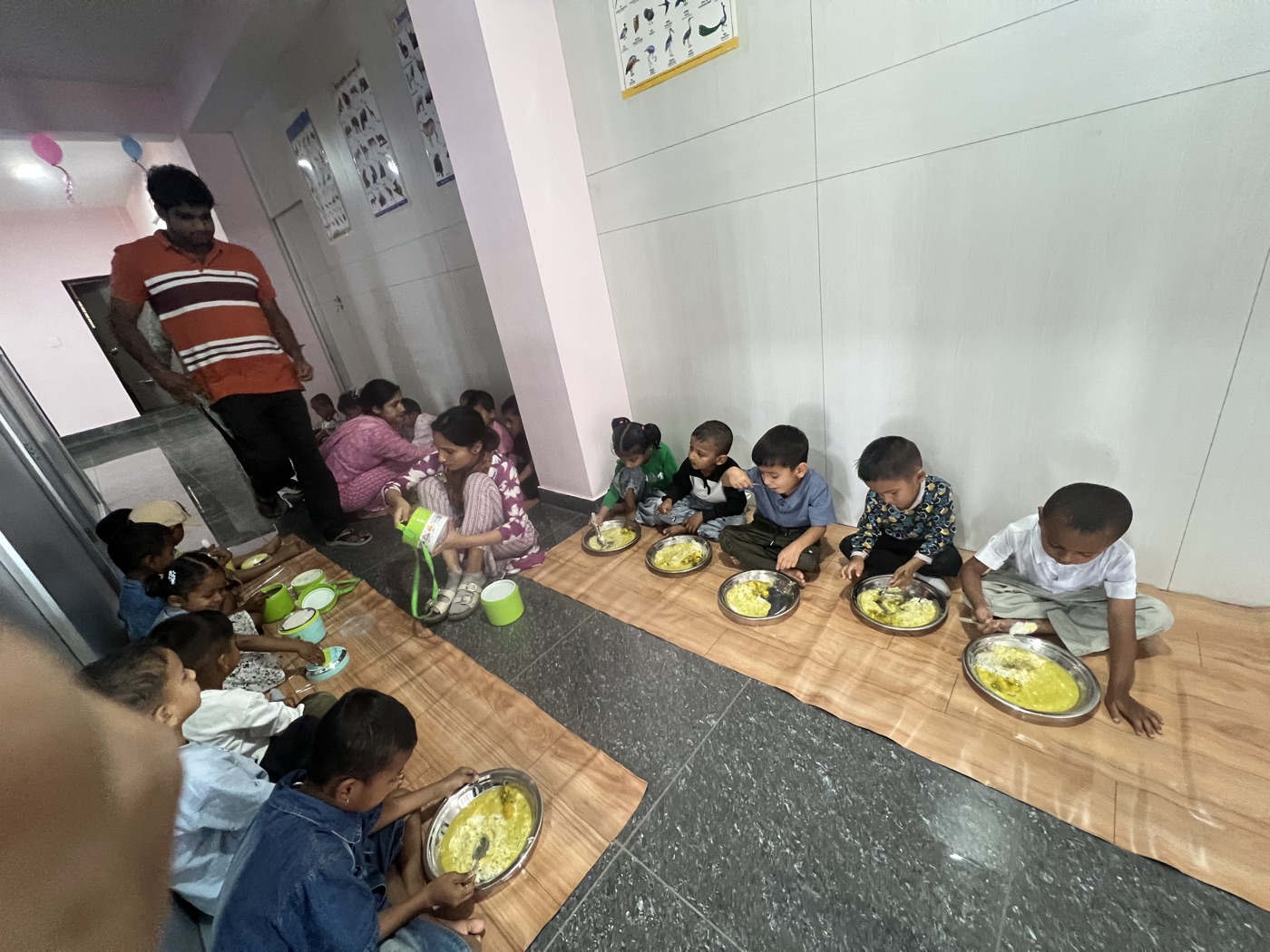
Handwashing, nutritious snack time, table etiquette guidance, free talk.

1:15 PM - 3:30 PM

ECA, Play & Van Departure

Swings, coloring, rhymes, daily wrap-up, and supervised school van boarding.

Ready to enroll your child in Nursery, LKG, UKG, Class 1, Class 2, or Class 3?

Seats in each class are limited to maintain our 12:1 student-to-teacher ratio.